A woman may be running a girls’ coding club in Lagos after work, teaching teenagers with borrowed laptops and unstable internet. Another may be helping farmers in rural Kenya test better seed varieties, but she has no research grant, no lab support, and no global platform.
Another may be reporting on violence against women in her country, yet she has never had the time, safety, training, or newsroom backing to turn those stories into deeper investigations. These women are not waiting to “become leaders.” They are already leading. What they often lack is the bridge that can connect their local work to stronger training, wider networks, serious funding, and global visibility.
That is why fellowships for women in developing countries matter so much. A fellowship is not just a nice title to add to a CV. For the right woman at the right stage, it can open doors to mentorship, research support, graduate study, leadership coaching, travel, accommodation, project funding, media visibility, policy networks, and long-term professional relationships. It can help a woman move from doing powerful work alone to being seen, supported, and connected by institutions that can help her work grow.
The mistake many women make is applying for every opportunity that looks impressive. That wastes time and weakens applications. A public health leader should not apply the same way as a PhD scientist. A journalist should not present herself like a social entrepreneur. A young gender equality advocate should not use the same personal statement as a mid-career policy leader. The best international fellowships for women are not won by copying a beautiful story into every form. They are won by matching your work, your evidence, your career stage, and your future plan to the fellowship’s mission.
This guide is written for women from developing countries, women in the Global South, African women, Asian women, Caribbean women, Latin American women, women from low-income and middle-income countries, first-generation women professionals, rural women, young leaders, researchers, journalists, scientists, advocates, entrepreneurs, and nonprofit leaders who want verified fully funded fellowships for women, international fellowships for women, STEM fellowships for women, public health fellowships for women, fellowships for women journalists, fellowships for women entrepreneurs, and leadership fellowships for women professionals.
Before applying, always check the official website for the next application cycle, eligibility rules, country list, award coverage, and deadline. Fellowship deadlines change, some programs pause applications, and some opportunities are not open every year.
Why Fellowships Matter for Women in Developing Countries
Fellowships are different from scholarships, grants, jobs, and internships. A scholarship usually supports study. A grant usually funds a project, research activity, organization, or specific cost. A job pays you for work. An internship usually gives early work experience. A fellowship can include parts of all these things, but its deeper purpose is often leadership development, professional growth, research advancement, public visibility, network building, and long-term impact. This is why fellowships for women in developing countries can be so powerful when they are chosen carefully.
A strong fellowship may provide funding, but it may also provide mentorship, leadership training, coaching, travel, accommodation, graduate study support, research support, project funding, access to decision-makers, media platforms, alumni networks, and peer learning. WomenLift Health, for example, describes its Leadership Journey as a fully funded, year-long experience for mid-career women leaders in health that includes learning, mentoring, coaching, immersive experiences, and a self-directed leadership project. (WomenLift Health)
The best fellowship is not always the most famous one. The best fellowship is the one that matches your work. A woman scientist from the Global South who wants to pursue PhD research in STEM may be better matched with OWSD PhD Fellowships or the Schlumberger Foundation Faculty for the Future Fellowship. OWSD says its PhD Fellowship supports women scientists from the Global South to undertake PhD research in STEM, although the official page also notes there was no call for PhD applications in 2025, so applicants should check the page for future updates. (OWSD)
A woman journalist reporting on human rights and social justice may be better matched with the IWMF Elizabeth Neuffer Fellowship, which supports women and nonbinary journalists with professional experience and offers academic and journalism opportunities connected to MIT, The Boston Globe, and The New York Times. (IWMF) A woman in agriculture, food systems, climate-smart farming, or gender-responsive agricultural research should pay attention to AWARD, which invests in women’s leadership in African agricultural research and development and works around gender-responsive agri-food systems. (AWARD)
A woman public health professional may be better matched with WomenLift Health. A young gender equality advocate may be better matched with Women Deliver Young Leaders Program, which supports young advocates with digital learning, speaking opportunities, grants, workshops, and conference participation. (Women Deliver) A woman public leader, elected official, policy advocate, civic organizer, or civil society leader may be better matched with Vital Voices programs such as VV Engage, which supports women public leaders influencing policy and public life. (Vital Voices)
The real value of global fellowships for women is not just that they “help women.” The real value is that they help a serious woman sharpen her work, document her impact, meet people who can open doors, and return with stronger tools. That is why women from developing countries should stop asking only, “Is this fellowship fully funded?” and start asking, “Will this fellowship move my work, career, research, leadership, or organization to the next serious level?”
Verified Fellowships and Organizations That Support Women from Developing Countries
Below are verified fellowship programs and organizations that women from developing countries should study carefully. Some are women-only. Some are not women-only but are highly relevant to women from Africa, the Global South, low-income countries, and emerging economies. Do not assume every program is currently open. Always check the official website before preparing your application.
1. OWSD PhD Fellowships — Organization for Women in Science for the Developing World
Official link: OWSD PhD Fellowships
Best for: women scientists from the Global South who want to pursue PhD research in STEM.
What it may support: doctoral research, scientific training, research mobility, and connection to a community of women scientists.
Why pay attention: OWSD focuses strongly on women scientists from the Global South and science- and technology-lagging countries. The official page states that the PhD Fellowship supports women scientists from the Global South to undertake PhD research in STEM, but it also says there was no call for PhD applications in 2025, so applicants should check the official page for the next application cycle. (OWSD)
Application tip: do not only say you want a PhD. Show a research problem that matters to your country, such as clean water, climate resilience, food security, renewable energy, public health, or technology access.
2. OWSD Early Career Fellowship — Organization for Women in Science for the Developing World
Official link: OWSD Early Career Fellowship
Best for: women scientists who have completed a PhD and are working in STEM fields in eligible science- and technology-lagging countries.
What it may support: OWSD describes the Early Career Fellowship as an award of up to USD 50,000 for women researchers in STEM in Science and Technology Lagging Countries. (OWSD)
Why pay attention: this is stronger for women who are no longer at the “I want to study” stage, but at the “I need to build research capacity and produce stronger scientific work” stage.
Application tip: show your research record, institutional base, home-country relevance, and how the fellowship will strengthen your lab, team, students, or research output.
3. Schlumberger Foundation Faculty for the Future Fellowship
Official link: Faculty for the Future
Application link: Schlumberger Foundation Applications
Best for: women from eligible low- or middle-income countries pursuing PhD or postdoctoral research in STEM.
What it may support: the official application page for 2027 says eligible women must be pursuing PhD or postdoctoral research in STEM, enrolled, admitted, or applying to a university or research institute abroad, committed to returning home, and able to show leadership and community engagement. (Schlumberger Foundation) The FAQ says grants may cover costs such as tuition, accommodation, living allowance, initial travel, visa charges, conference expenses, and more, with grant maximums listed for PhD and postdoctoral programs. (Schlumberger Foundation)
Why pay attention: this is one of the strongest STEM fellowships for women from developing and emerging economies who want to build serious academic and research careers.
Application tip: reviewers will care about academic strength, host university quality, research relevance to your home country, and evidence that you plan to contribute after your studies.
4. Margaret McNamara Education Grants
Official link: MMEG
Application link: MMEG Apply
Best for: women from developing and middle-income countries pursuing higher education and intending to improve the lives of women and children.
What it may support: education-related grants for eligible women in specific programs and regions. MMEG states that its mission is to improve the lives of women and children by supporting higher education for exceptional women from developing countries. (MMEG)
Why pay attention: this is useful for women whose education is clearly connected to women, children, community development, health, law, education, social work, or social change.
Application tip: MMEG warns that applications must be complete and that AI-generated applications may be disqualified, so use your own voice and give a real story with evidence. (MMEG)
5. TechWomen
Official link: TechWomen
Award details: TechWomen Award Details
Best for: emerging women leaders in STEM from selected regions, including Africa, Central and South Asia, and the Middle East.
What it may support: mentorship, professional exchange, networking, and exposure to U.S.-based STEM ecosystems. The official TechWomen award details page appeared in search results with participant housing information, but the official website returned a technical difficulty notice during verification, so applicants should re-check the official website and official U.S. embassy announcements before applying. (TechWomen)
Why pay attention: this can be powerful for women in technology, engineering, science, product development, innovation, and STEM entrepreneurship.
Application tip: show that you are not only working in STEM but also using STEM to mentor girls, solve community problems, or build inclusive systems.
6. P.E.O. International Peace Scholarship
Official link: P.E.O. International Peace Scholarship Fund
Best for: international women pursuing graduate study in the United States or Canada.
What it may support: P.E.O. states that the International Peace Scholarship Fund provides scholarships for women from other countries for graduate study in the U.S. or Canada, with a maximum award amount listed on the official page. (P.E.O. International)
Why pay attention: this is a strong option for women who already have a graduate study plan in the U.S. or Canada and can show how their education will benefit their home country.
Application tip: connect your degree to peace, public service, education, health, development, women’s leadership, or long-term community benefit.
7. AAUW International Fellowships
Official link: AAUW Fellowships & Grants
International fellowships page: AAUW International Fellowships
Best for: non-U.S. women pursuing graduate study in the U.S., especially in STEM under the current program description.
What it may support: AAUW says its International Fellowships support international applicants pursuing graduate studies in the U.S. in STEM disciplines, with the intention of applying their expertise and leadership in service of their home countries or communities; recipients must be non-U.S. citizens and must not hold U.S. permanent resident status. (AAUW : Empowering Women Since 1881)
Why pay attention: this is useful for academically strong women who have clear study plans, a strong GPA, and evidence of service to women and girls.
Application tip: make your academic plan clear, realistic, and connected to a future contribution, not just personal advancement.
8. WomenLift Health Leadership Journey
Official link: WomenLift Health Leadership Journey
Best for: mid-career women leaders in health, public health, health policy, health practice, health research, and global health systems.
What it may support: WomenLift Health describes the Leadership Journey as fully funded and year-long, with mentoring, coaching, peer learning, leadership tools, immersive experiences, and a self-directed leadership project. (WomenLift Health)
Why pay attention: this is one of the strongest public health fellowships for women who are already doing serious health work and need leadership growth.
Application tip: show your current health leadership role, the decision-making space you want to influence, and the change you want to lead.
9. AWARD Fellowships — African Women in Agricultural Research and Development
Official link: AWARD Fellowships
Best for: African women in agriculture, agri-food systems, gender-responsive research, food security, agricultural policy, climate-smart agriculture, and research leadership.
What it may support: AWARD invests in women’s leadership in agricultural research and development, strengthens gender-responsive agricultural systems, and offers initiatives such as women in agriculture leadership, women in data science, gender-responsive agriculture policy, emerging women in science, and One Planet Fellowship. (AWARD)
Why pay attention: this is a strong fit for women whose work connects research, agriculture, gender, climate, and food systems in Africa.
Application tip: show how your work helps farmers, institutions, women producers, food systems, climate adaptation, or gender-responsive research.
10. Women Deliver Young Leaders Program
Official link: Women Deliver Young Leaders Program
Best for: young advocates working on gender equality, sexual and reproductive health and rights, youth leadership, digital rights, and sustainable development.
What it may support: Women Deliver says the program connects young advocates with platforms, people, and resources, including Digital University, Speakers Bureau, grants, workshops, and conference opportunities. (Women Deliver)
Why pay attention: this is useful for younger women who already advocate, organize, campaign, write, speak, or lead community change.
Application tip: do not write only about passion. Show your advocacy results, campaign reach, community partnerships, and what you want to change next.
11. Vital Voices Global Fellowship
Official link: Vital Voices Global Fellowship
Best for: women leaders in social entrepreneurship, public leadership, civil society, systems change, and sustainable development.
What it may support: the 2025 Vital Voices Global Fellowship was described as a 10-month program across social entrepreneurship and public leadership, offering leadership training, pillar-specific skill development, collaboration opportunities, access to the Vital Voices network, and an in-person convening. (Vital Voices)
Why pay attention: this is strong for women already leading initiatives, organizations, businesses, policy work, or public change.
Application tip: show your leadership model, the system you are trying to change, and why your work is ready for a global network.
12. VV Engage Fellowship — Vital Voices
Official link: VV Engage Fellowship
Best for: women public leaders, elected or appointed officials, political leaders, civic leaders, public policy professionals, civil society leaders, and community leaders.
What it may support: VV Engage is described as a fully funded fellowship for women public leaders influencing policy, strengthening decision-making power, strategic communications, governance, and public leadership. (Vital Voices)
Why pay attention: this is a strong match for women who are not just interested in leadership but already influencing public life.
Application tip: show your policy influence, public leadership role, community trust, governance work, and commitment to women and girls.
13. Brookings Echidna Global Scholars Program
Official link: Brookings Echidna Global Scholars Program
Best for: leaders, researchers, education advocates, and policy professionals working on girls’ education, gender equality, learning outcomes, and gender-transformative education in the Global South.
What it may support: Brookings says Echidna Global Scholars conduct six-month individual research focused on improving learning opportunities and life outcomes for girls, young women, and gender-nonconforming people, while building leadership and evidence-based policy skills. (Brookings)
Why pay attention: this is excellent for women whose work sits at the intersection of education, gender, evidence, policy, and systems change.
Application tip: bring a research question, not just a cause. Show what evidence you want to produce and how decision-makers can use it.
14. IWMF Elizabeth Neuffer Fellowship
Official link: IWMF Elizabeth Neuffer Fellowship
Best for: women and nonbinary journalists focused on human rights and social justice reporting.
What it may support: the fellowship provides academic and professional opportunities for journalists and includes research and coursework at MIT’s Center for International Studies and internships at The Boston Globe and The New York Times. The official page says applications for the 2027 fellowship are closed, so check the website for the next cycle. (IWMF)
Why pay attention: this is one of the clearest fellowships for women journalists who want to deepen reporting around justice, rights, conflict, gender, or accountability.
Application tip: show published work, reporting focus, ethical seriousness, and why the fellowship will strengthen your journalism.
15. L’Oréal-UNESCO For Women in Science
Official link: For Women in Science
UNESCO page: UNESCO For Women in Science Prize and Programme
Best for: women researchers in science globally, including women from developing countries with strong scientific work.
What it may support: UNESCO says the L’Oréal-UNESCO Prize For Women in Science has recognized women scientists since 1998, annually honoring five outstanding women scientists from five regions of the world. (UNESCO)
Why pay attention: this is not just funding; it is visibility, recognition, and scientific credibility.
Application tip: focus on research excellence, originality, and contribution to scientific progress.
16. Zonta International Amelia Earhart Fellowship
Official link: Zonta Amelia Earhart Fellowship
Best for: women pursuing PhD or doctoral degrees in aerospace engineering and space sciences.
What it may support: Zonta states that the Amelia Earhart Fellowship is awarded annually to up to 30 women pursuing PhD or doctoral degrees in aerospace engineering and space sciences. The official page says the 2026 deadline is closed and applicants should check back in August 2026. (Zonta International)
Why pay attention: this is a highly specific STEM fellowship, so it is ideal for women in aviation, aerospace, space science, propulsion, satellite systems, or related doctoral research.
Application tip: do not apply if your research is only loosely connected. Show a direct aerospace or space sciences research focus.
17. Mandela Washington Fellowship
Official link: Mandela Washington Fellowship
Best for: young African leaders in business, civic engagement, public management, social impact, entrepreneurship, and community leadership.
What it may support: the official website describes the Mandela Washington Fellowship as the flagship program of the U.S. Government’s Young African Leaders Initiative, bringing young leaders from Sub-Saharan Africa to the United States for academic and leadership training. (Mandela Washington Fellowship)
Why pay attention: it is not women-only, but women from eligible African countries should strongly consider it if they have a clear leadership track record.
Application tip: show leadership, not titles. Use examples of what you have built, changed, led, or improved.
18. Obama Foundation Scholars Program
Official link: Obama Foundation Scholars Program
Best for: emerging leaders committed to public service, community impact, civic leadership, social change, and values-based leadership.
What it may support: the Obama Foundation says the Scholars program gives rising leaders from around the world who are already making a difference the opportunity to take their work to the next level through leadership development, training, networking, customized support, action plans, and coaching. (Obama Foundation)
Why pay attention: this is strong for women whose work has already moved beyond ideas into real community or public impact.
Application tip: present a clear initiative, the problem it solves, your leadership role, and how you will expand impact after the program.
19. World Bank Group Africa Fellowship Program
Official link: World Bank Group Africa Fellowship Program
Best for: African nationals completing or recently completing a PhD in fields relevant to the World Bank’s work.
What it may support: the official page says the program targets young African nationals completing or recently completing a PhD, offers a six-month assignment at World Bank Group offices, and includes work on research, policy, technical assistance, lending operations, and development goals. The official page also says the 2026 application period is over. (World Bank)
Why pay attention: this is a strong option for African women researchers interested in development, economics, public policy, data, governance, poverty reduction, education, agriculture, health, infrastructure, climate, or private sector development.
Application tip: show technical skill, quantitative ability, policy relevance, and how your PhD connects to real development challenges.
20. Global Good Fund Fellowship
Official link: Global Good Fund Apply
Best for: social entrepreneurs and leaders of nonprofit or for-profit social impact organizations globally.
What it may support: Global Good Fund says its fellowship is for innovators, entrepreneurs, and leaders of for-profit and nonprofit social impact organizations, especially leaders scaling enterprises and seeking leadership development, coaching, mentorship, and a 12-month hybrid program. The official page says applications for the 2026 fellowship are currently closed. (THE GLOBAL GOOD FUND)
Why pay attention: this is useful for women who have already started an organization or social enterprise and need leadership capacity, not just startup money.
Application tip: show your enterprise model, who you serve, proof of traction, leadership challenge, and what scale means for your work.
How to Choose the Right Fellowship Instead of Applying Everywhere
Many women lose months applying for fellowships that do not match their profile. They see “fully funded,” “global,” or “women leaders” and rush to apply without checking whether the fellowship is for PhD scientists, public leaders, journalists, young advocates, social entrepreneurs, or mid-career health professionals. This is one reason strong women submit weak applications. They are not weak candidates. They are applying to the wrong room.
Use these filters before you apply:
- Country eligibility: Check if your country is eligible. Some fellowships are global, some are for Sub-Saharan Africa, some are for specific regions, and some use low- and middle-income country lists.
- Age or career stage: Some programs target young leaders, while others target mid-career women, PhD-level researchers, or postdoctoral scientists.
- Sector fit: Do not apply to a STEM fellowship if your work is mainly general advocacy. Do not apply to a journalism fellowship without strong published work.
- Degree or work experience requirement: Some require a PhD, graduate admission, full-time study, or years of professional experience.
- Travel requirements: Some fellowships involve travel, in-person convenings, U.S. placements, or study abroad.
- English language requirement: Many international fellowships require strong English, especially for interviews, writing, training, or graduate study.
- Leadership evidence: Most fellowships want proof that you are already doing the work.
- Community impact: Show who benefits from your work and what has changed because of your leadership.
- Return-home or service expectation: Many fellowships want to know how you will use the opportunity to benefit your home country or community.
- Funding coverage: Confirm what the fellowship actually covers. “Fully funded” can mean different things, and some awards may be partial.
If you are a PhD-level scientist, start with OWSD, Schlumberger Foundation, L’Oréal-UNESCO, Zonta, AAUW, and World Bank Africa Fellowship. If you are a journalist, look closely at IWMF Elizabeth Neuffer Fellowship. If you are in agriculture, food systems, or gender-responsive research, study AWARD. If you are in public health, study WomenLift Health. If you are a young gender equality advocate, study Women Deliver. If you are a social entrepreneur, study Vital Voices Global Fellowship and Global Good Fund. If you are a public policy or civic leader, study VV Engage, Mandela Washington Fellowship, Obama Foundation Scholars, and Brookings Echidna Global Scholars.
A good fellowship choice should feel like a clear next step, not a random dream. You should be able to say, “This fellowship fits me because I am already working in this field, I have evidence of impact, I meet the eligibility rules, I understand what the program supports, and I know how I will use the opportunity after selection.” If you cannot say that clearly, pause before applying.
How to Write a Strong Fellowship Application as a Woman from a Developing Country
A strong fellowship application is not a sad story. It is not a list of everything you have suffered. It is not a long speech about passion. It is a focused case for why your work matters, why you are ready, why this fellowship fits your next step, and why investing in you can create wider value.
Reviewers usually want to see six things. First, they want a clear leadership story. This does not mean you must be famous or have a big title. It means you can show initiative, responsibility, courage, and follow-through. Second, they want a real problem from your community or sector. Do not speak in vague terms. Name the problem. Is it rural girls leaving school because of menstrual poverty? Women farmers losing income because they lack climate-smart training? Young women locked out of STEM? Survivors unable to access legal support? Communities lacking reliable public health data?
Third, reviewers want proof that you are already doing the work. Fellowships usually support movement, not imagination. If you say you want to support women, show what you have already done for women. If you say you want to improve girls’ education, show the schools, learners, data, campaigns, research, or programs you have touched. Fourth, they want evidence of impact. Use numbers when possible, but do not fake numbers. “Trained 420 rural girls,” “published 18 human rights reports,” “supported 35 women farmers,” “built a prototype used by 600 students,” or “led a coalition of 12 organizations” is stronger than “I have impacted many people.”
Fifth, reviewers want to know why this fellowship is the right next step now. This is where many women fail. They explain why they are passionate, but they do not explain why the fellowship is necessary. You should connect the fellowship to a clear growth gap: mentorship, research training, policy exposure, leadership coaching, graduate study support, media training, global networks, or project expansion. Sixth, reviewers want a realistic plan for using the fellowship after selection. Do not promise to change the whole world in six months. Show a focused next step that can be believed.
A weak statement sounds like this: “I want this fellowship because I am passionate about helping women and I believe women should be empowered.”
A strong statement sounds like this: “For the past three years, I have trained 420 rural girls in menstrual health and school retention through community workshops in my district. This fellowship will help me strengthen my advocacy model, build partnerships with education stakeholders, and expand the program into five additional schools within one year.”
Another weak statement sounds like this: “I want to become a better leader and help my country.”
A stronger version sounds like this: “I currently lead a community health team that supports maternal health education across six clinics. My next challenge is learning how to influence district-level health planning, not only deliver workshops. Through this fellowship, I want to strengthen my policy communication, build a peer network in public health leadership, and develop a one-year plan for integrating community feedback into maternal health outreach.”
Your CV should also match the fellowship. Do not send a crowded CV with every activity you have ever done. Use a focused CV that highlights education, leadership roles, fellowships, publications, projects, awards, community impact, technical skills, media work, research experience, and sector results. Your recommendation letters should come from people who know your work well. A famous recommender who writes a weak letter is less useful than a direct supervisor, professor, editor, mentor, or partner who can give clear examples of your leadership.
Most importantly, do not present yourself only as needy. Women from developing countries are often told to explain their hardship, but the strongest applications balance context with agency. Yes, explain barriers where relevant. But do not stop there. Present yourself as a leader with evidence, vision, readiness, and a serious plan.
Common Mistakes Women Make When Applying for International Fellowships
The first mistake is applying without checking country eligibility. This wastes time and can lead to automatic rejection. The fix is simple: before writing one sentence, check the country list, citizenship rules, residency rules, age limits, degree requirements, and program focus.
The second mistake is using one generic personal statement for every fellowship. A WomenLift Health application should not sound like a TechWomen application. A Brookings Echidna research statement should not sound like a Global Good Fund social enterprise pitch. The fix is to create a core story document, then customize it for each fellowship’s mission.
The third mistake is sounding desperate instead of strategic. Reviewers may care about the barriers you face, but they are not selecting people only because life has been hard. They are selecting people who can use the opportunity well. The fix is to write from readiness, not helplessness. Say what you have done, what you need next, and what will change if you receive the fellowship.
The fourth mistake is listing activities without showing measurable impact. “I organized trainings, attended events, mentored girls, and volunteered” is weaker than “I organized eight school workshops reaching 620 girls, trained 14 peer educators, and helped two schools create menstrual health clubs.” The fix is to add numbers, outcomes, roles, locations, and evidence.
The fifth mistake is ignoring the fellowship’s mission. If the fellowship is about women in STEM, your application must show STEM leadership. If it is about public leadership, show policy or civic influence. If it is about journalism, show reporting experience. If it is about girls’ education, show education evidence. The fix is to read the official program page and mirror the mission naturally without copying the wording.
The sixth mistake is not explaining why now is the right time. A strong applicant shows that she is at a turning point. Maybe her project has grown beyond volunteer capacity. Maybe her research needs international mentorship. Maybe her organization is ready to scale. Maybe her policy work needs stronger evidence. The fix is to name the gap and connect the fellowship to that gap.
The seventh mistake is using vague words like “empower,” “impact,” “passion,” “change,” and “leadership” without proof. These words are not bad, but they become weak when they stand alone. The fix is to attach proof to every big claim.
The eighth mistake is submitting weak recommendation letters. A good letter should confirm your character, leadership, results, and readiness. The fix is to brief your recommender early with your CV, fellowship description, key achievements, and the points you hope they can honestly confirm.
The ninth mistake is waiting until the deadline week. International fellowships often require transcripts, proof of degree, recommendation letters, essays, English tests, project summaries, writing samples, or institutional documents. The fix is to prepare a fellowship folder before applications open.
The tenth mistake is not preparing a strong CV, bio, project summary, leadership story, and impact data early. The fix is to create these documents now, even before you choose a fellowship.
Your opportunity folder should include:
- A two-page focused CV
- A 150-word professional bio
- A 300-word leadership story
- A 500-word personal statement draft
- A one-page project or research summary
- A list of measurable achievements
- Copies of transcripts and certificates
- Names of potential recommenders
- Links to publications, media, research, portfolio, or project evidence
- A tracker for deadlines and eligibility notes
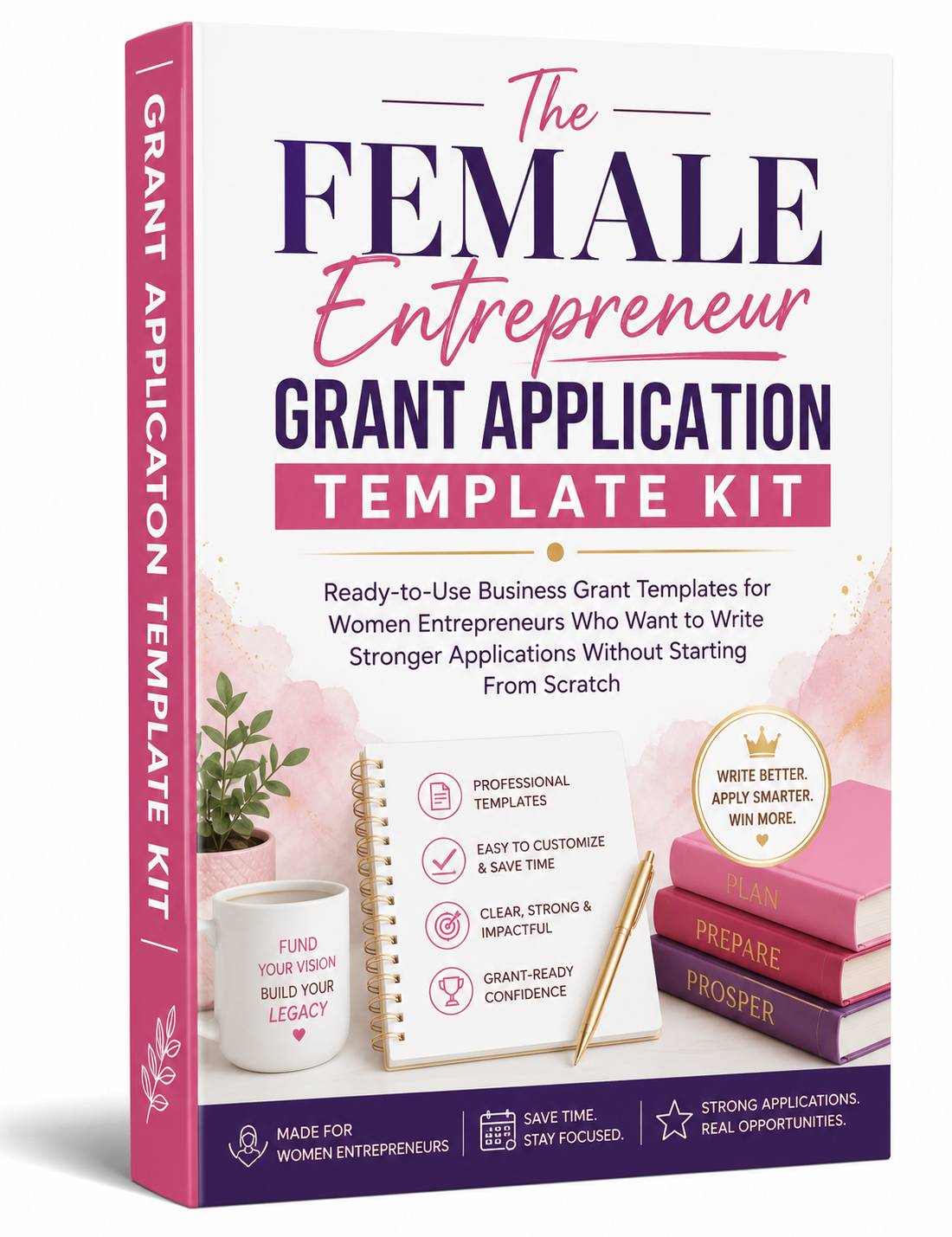
Join Opportunities for Women Founding Membership
If you are tired of finding fellowships, grants, scholarships, remote jobs, business opportunities, and global programs after the deadline has passed, the Opportunities for Women Founding Membership was created to help you move with more clarity and confidence.
As a Founding Member, you get access to curated opportunities, practical guidance, templates, application support resources, and strategic insights that help you understand what to apply for, how to prepare, and how to position yourself strongly.
Join Opportunities for Women Founding Membership today and start treating opportunities like a serious strategy, not random luck.
Similar Suggested Articles:
- How Women Can Pay for School Without Taking on Heavy Student Debt
- Scholarship Essay Tips for Women with Powerful Comeback Stories
- 30 Scholarships for Single Mothers and Women Returning to School
- Scholarships for Women Returning to School in the USA, UK, Canada and Australia
- Scholarships for Single Mothers in the USA
Frequently Asked Questions
1. What are the best fellowships for women in developing countries?
The best fellowships depend on your field and career stage. For STEM researchers, strong options include OWSD, Schlumberger Foundation Faculty for the Future, AAUW International Fellowships, L’Oréal-UNESCO For Women in Science, and Zonta Amelia Earhart Fellowship. For health leaders, WomenLift Health is highly relevant. For journalists, IWMF Elizabeth Neuffer Fellowship is a strong fit. For agriculture and food systems, AWARD is important. For young advocates, Women Deliver is worth watching. For public leadership and social impact, Vital Voices, VV Engage, Mandela Washington Fellowship, Obama Foundation Scholars, Brookings Echidna Global Scholars, World Bank Africa Fellowship, and Global Good Fund may be relevant depending on eligibility.
2. Are fellowships for women in developing countries fully funded?
Some are fully funded, some are partially funded, and some provide stipends, grants, travel, accommodation, tuition support, mentorship, coaching, or project support. Do not assume that “fellowship” means every cost is covered. Always read the official award details, funding coverage, restrictions, travel rules, tax notes, and what costs are not covered.
3. Can African women apply for international fellowships?
Yes, African women can apply for many international fellowships, but eligibility depends on the program. Some fellowships are specifically for African leaders, such as Mandela Washington Fellowship and World Bank Group Africa Fellowship. Some are open to women from the Global South or eligible low- and middle-income countries, such as OWSD, Schlumberger Foundation, MMEG, and certain global leadership programs. Always check country eligibility before applying.
4. How can I increase my chances of winning a fellowship?
You can increase your chances by applying only to fellowships that match your profile, preparing early, showing measurable impact, writing a specific personal statement, choosing strong recommenders, following instructions exactly, and explaining why the fellowship is the right next step. Do not write like someone begging for help. Write like a woman who has already started meaningful work and is ready to use the fellowship responsibly.
5. Where can I find verified fellowship links and deadlines?
Use official fellowship websites first. Do not rely only on social media posts, WhatsApp forwards, or copied opportunity blogs. For every fellowship, check the official program page, application page, eligibility page, FAQ page, and deadline page. Since deadlines change often, save the official links, join mailing lists where available, and create a tracker so you can prepare before the next application cycle opens.