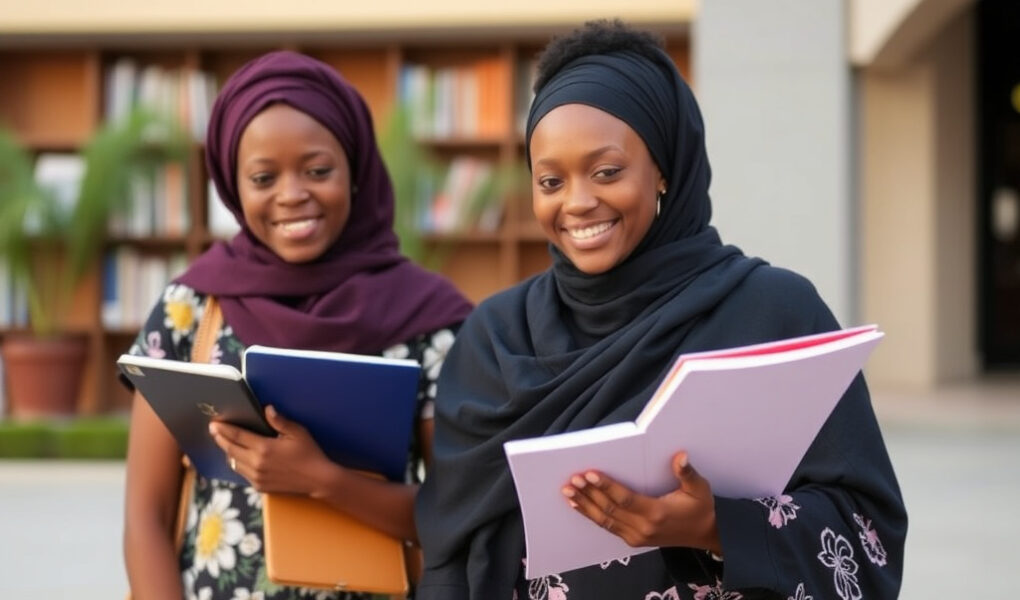
A Nigerian woman can spend three hours searching for scholarships online and still leave with ten fake links, five expired announcements, two WhatsApp groups asking for money, and no clear idea of where to apply. The problem is not that scholarships do not exist. The problem is that real scholarships for Nigerian women are often buried under noisy blogs, copied announcements, fake portals, expired deadlines, and vague posts that make funding look easy while hiding the serious preparation needed to win it.
For many Nigerian women, the scholarship search is not just about tuition. It is about whether a young woman can stay in school after school fees increase, whether a final-year student can prepare for postgraduate study, whether a mother can return to education after years away, whether a woman in STEM can continue her research, or whether a first-generation student can study abroad without putting impossible pressure on her family.
That is why this guide is not just a random list of scholarship links. It is a practical roadmap for Nigerian women who want local scholarships, international scholarships, fully funded scholarships, women-focused scholarships, and safe official application pages they can trust.
The smartest way to search for scholarships is not to type “fully funded scholarship for Nigerian women” into Google and click every link that appears. The smarter way is to understand your level of study, your field, your academic record, your leadership story, your financial need, your documents, your deadline calendar, and the kind of sponsor that is most likely to support your profile.
Why Nigerian Women Need a Smarter Scholarship Search Strategy
Many Nigerian women lose time because they search for scholarships in the wrong way. They search only for “free scholarships,” “fully funded scholarships,” or “scholarship links for Nigerians,” but they do not first ask the most important question: which scholarship fits my current profile?
A 200-level female engineering student in a Nigerian public university should not use the same scholarship strategy as a working woman looking for a one-year master’s degree in the UK. A Nigerian woman applying for a PhD in agricultural science should not prepare the same way as a young woman applying for an undergraduate STEM scholarship. A mother returning to school after a gap year should not disqualify herself before checking whether the scholarship accepts mature students, women from developing countries, or applicants with non-linear education journeys.
Local scholarships in Nigeria usually support students already enrolled in Nigerian institutions. These may include federal awards, state scholarships, oil and gas scholarships, corporate social investment scholarships, university-based awards, and industry-related scholarships. They may support undergraduate students, postgraduate students, students in public universities, students from specific regions, students in specific courses, or students with strong academic records. International scholarships, on the other hand, may support Nigerian students who want to study in the UK, Europe, Germany, the United States, Africa, Japan, or other regions. Some international scholarships require admission first. Some require work experience. Some require leadership essays. Some require a research proposal. Some are for master’s study only, while others support PhD research, postdoctoral work, or professional development.
A fully funded scholarship can be powerful, but Nigerian women must read the award benefits carefully. Some fully funded scholarships cover tuition, living allowance, travel, health insurance, and visa-related support.
Others cover only tuition and expect the student to pay for travel, accommodation, visa, document legalization, or personal expenses. Erasmus Mundus says some programs offer full scholarships that cover participation costs and contribute to travel, visa, and living allowance, but each program has its own website, documents, and timeline. The World Bank’s Joint Japan/World Bank Graduate Scholarship Program lists benefits such as tuition, monthly living stipend, round-trip airfare, health insurance, and travel allowance, but it also lists expenses it does not cover, including visa application costs, family support, extra courses, and some research-related expenses.
Women-only scholarships are also important, but they are not the only option. Some of the best scholarships for Nigerian women are not women-only. They are open to both men and women, but Nigerian women who meet the eligibility requirements can still apply and win. This matters because a Nigerian woman should not limit herself to only scholarships with the word “women” in the title. She should also track federal scholarships, STEM scholarships, oil and gas scholarships, international master’s scholarships, development-related scholarships, research fellowships, and country-specific scholarship programs.
For example, a 200-level or 300-level female STEM student in a Nigerian university may be better suited for MTN Foundation scholarships, WAAW Foundation, Seplat-type scholarships, Shell education programs, Chevron awards, PTDF, or NLNG scholarships, depending on her level, course, institution, region, and academic record. MTN Foundation’s scholarship categories include Science and Technology, Blind Students, and Top 10 UTME, with eligibility linked to Nigerian public tertiary institutions and specific study levels. WAAW Foundation supports female African undergraduate students in STEM-related courses and asks for academic strength, financial need, leadership, volunteering, and community service.
A Nigerian woman seeking a master’s degree abroad may look at Chevening, Commonwealth, Erasmus Mundus, DAAD, GREAT Scholarships, Fulbright, Mastercard Foundation Scholars Program, World Bank scholarships, Pan African University, Shell/SNEPCo postgraduate opportunities, or TotalEnergies international master’s options. Chevening describes itself as the UK Government’s international scholarship programme for future leaders, and its Nigeria page should be tracked for annual opening and closing dates. Commonwealth Master’s Scholarships are for eligible candidates from Commonwealth countries and require supporting documents such as proof of citizenship, transcripts, and references. GREAT Scholarships Nigeria offers £10,000 toward tuition fees for selected one-year postgraduate courses at participating UK universities, with eligibility and deadlines handled by each institution.
A Nigerian woman in science research should also track OWSD, L’Oréal-UNESCO For Women in Science, and Schlumberger Foundation Faculty for the Future. These opportunities are not for every applicant, but they can be powerful for women with strong research direction, STEM commitment, academic excellence, and a clear plan to contribute to their home country or community. Schlumberger Foundation’s Faculty for the Future program says it is for women from developing and emerging economies pursuing PhD or postdoctoral STEM research, and its selection looks at academic performance, references, host university quality, home-country relevance, and commitment to inspiring women and girls in STEM.
Verified Local Scholarships in Nigeria That Nigerian Women Can Apply For
Local scholarships in Nigeria are useful because they often support students who are already studying in Nigerian universities, polytechnics, colleges of education, or other tertiary institutions. They may not always be women-only, but Nigerian women who meet the criteria should apply with confidence. The mistake many students make is waiting until the deadline week before looking for transcripts, passport photographs, admission letters, school ID cards, local government identification, O’Level results, JAMB results, reference letters, or signed documents. That is how many strong students miss opportunities they were qualified for.
The first place Nigerian women should check is the Federal Ministry of Education Scholarship Portal and the Federal Scholarship Board. The Federal Scholarship Board operates under the Federal Ministry of Education and is responsible for foreign and local scholarship awards, including Nigerian Awards, Bilateral Education Agreement awards, and Commonwealth-related scholarship coordination.
The official Federal Ministry scholarship portal is useful for Nigerian Scholarship Awards, local awards, government scholarship updates, and application information when a call is open. This is best for undergraduate, master’s, PhD, NCE, HND, vocational, medical, STEM, and other eligible students depending on the current scheme. Before applying, Nigerian women should verify the category, award level, deadline, required documents, eligibility, and whether the application must be completed through the official portal only.
PTDF is another important scholarship source for Nigerian women in petroleum, oil and gas, engineering, energy, geology, geosciences, environmental fields, and related technical areas. The PTDF Scholarship Management Portal includes in-country and overseas scholarship scheme guidelines, application access, and official updates. This is best for women whose academic and career goals connect to energy, petroleum, oil and gas, engineering, local content, national development, or technical capacity building. A Nigerian woman applying for PTDF should not write a vague essay saying she wants to “further her education.” She should connect her course to the sector, show how the training will build expertise, and explain how she plans to contribute after the scholarship.
MTN Foundation Scholarships are strong local options for Nigerian students in public tertiary institutions. The MTN Foundation page says its scholarship program recognizes high-performing students in three categories: Science and Technology Scholarship, Scholarship for Blind Students, and Top 10 UTME Scholarship. It also states that the Science and Technology Scholarship is for eligible students studying science and technology-related courses, while the blind students category supports eligible blind students across Nigerian public tertiary institutions. This is especially useful for Nigerian female students in STEM, eligible medical students, blind students, and high-performing students who meet the current category rules.
NLNG Scholarships are worth tracking because the official NLNG portal lists scholarship schemes for post-primary, undergraduate, and postgraduate levels. The NLNG portal says its scholarship programs are designed to support academic excellence at every level, from primary to postgraduate studies, and directs applicants to specific scheme pages for eligibility, application processes, and key dates. This is useful for Nigerian girls, undergraduate students, and postgraduate applicants depending on the current open scheme. Nigerian women should check whether the relevant scheme is open, whether their level qualifies, and whether the application is being handled only through the official NLNG application portal.
The NNPC/SEPLAT JV National Undergraduate Scholarship is another option for eligible undergraduate students in federal and state universities in Nigeria. The 2026 Seplat page states that the scholarship is open to deserving undergraduate students of federal and state universities in Nigeria, and its eligibility criteria include being in second year or above, having at least five O’Level credit passes including English and Mathematics at one sitting, and having a CGPA of 3.5 and above. It also states that application is free. This is best for Nigerian women in eligible courses such as engineering, computer science, medicine, law, agriculture, economics, geology, architecture, and related fields listed in the current call. Applicants should never pay anyone to “help” them apply when the official page says the application is free.
Shell Nigeria scholarship and education programmes are important for Nigerian women who are interested in oil and gas, engineering, energy, geosciences, data science, AI, and postgraduate study abroad where eligible. Shell’s Nigeria page lists the NNPC-SNEPCo Postgraduate Scholarship for qualifying Nigerian applicants, including eligible one-year postgraduate MSc courses at participating UK universities, with benefits covering tuition, one economy return-flight ticket from Nigeria to the UK, and a contribution toward living expenses. Nigerian women should read the eligibility details carefully because some Shell/SNEPCo postgraduate opportunities may require admission to a participating university course before the scholarship application is available.
TotalEnergies Nigeria International Masters Degree Scholarship is another important international-facing scholarship for young Nigerians. TotalEnergies says it partners with NNPC Limited and corporate partners to sponsor young Nigerian scholars interested in master’s degree programs in Management Science, Engineering, and oil-and-gas-related Geosciences at universities in France, and the page states that only applications submitted through the scholarship website would be considered. This is best for Nigerian women with strong academic records, recent degrees, completed NYSC where required, and career goals connected to the listed fields. Because the current page refers to the 2025/2026 cycle, applicants should track the official TotalEnergies Nigeria page for updated annual calls.
NDDC Scholarships are especially relevant for Niger Delta indigenes seeking local or foreign postgraduate scholarship opportunities when available. The official NDDC scholarship page directs applicants to its scholarship application service and should be used instead of random third-party scholarship posts. This is best for women from eligible Niger Delta states who are pursuing postgraduate study or other categories announced by NDDC. Applicants should verify state eligibility, level of study, required documents, deadline, and whether the application portal is active before sharing personal information.
Chevron Nigeria Limited JV Scholarship Awards are also important for eligible Nigerian undergraduates. The official Scholastica page for the 2026 NNPC Limited/Chevron JV National University Scholarship Awards says applications must be submitted through the official portal, Scholastica is the official platform, applicants are not required to make payment at any stage, email applications are not accepted, and Chevron does not appoint agents or representatives to assist applicants. This warning is extremely important for Nigerian women because many fake agents use oil-company scholarship names to collect “processing fees.” Apply only through the official or authorized portal listed by the sponsor.
Fully Funded and International Scholarships Nigerian Women Should Track Every Year
Fully funded and international scholarships for Nigerian women are attractive because they can open doors to study abroad, global networks, international research, professional growth, and stronger career mobility. But they are also more competitive because the sponsor is not just looking for need. They are looking for fit. They want to know why you need the degree, why that country, why that course, why now, and what you will do with the opportunity afterward.
Chevening is a major scholarship for Nigerian women seeking one-year master’s study in the UK. It is not enough to say, “I need funding because I cannot afford school fees.” Chevening is leadership-focused, so a strong applicant must show influence, career direction, leadership experience, networking ability, and a clear plan for using the UK master’s degree to create impact in Nigeria.
The Chevening Nigeria page says the program is the UK Government’s international scholarship programme and offers future leaders the opportunity to further their education in the UK; as of the verified page, applications were closed, so Nigerian women should track the annual application timeline and prepare before the portal opens again.
Commonwealth Master’s Scholarships are important for Nigerian women seeking full-time master’s study in the UK, especially those who can connect their study plans to development impact. Applicants need to pay close attention to documentation. The Commonwealth Scholarship Commission states that applications must include supporting documentation, including proof of citizenship or refugee status, full transcripts, and references, and it also states that the CSC does not charge to apply through its online application system. This matters because a fake “Commonwealth scholarship agent” asking for payment is already a warning sign.
Erasmus Mundus Joint Masters can be a powerful route for Nigerian women who want international master’s programs across Europe and sometimes beyond Europe. The Erasmus+ page says students from all over the world can apply, students apply directly to the institution running their chosen program, and full scholarships are available for the best students. It also explains that scholarships can cover participation costs and contribute to travel, visa, and a living allowance. A Nigerian woman applying for Erasmus Mundus should not assume that all Erasmus programs have one deadline or one document list. Each course website matters. She must study the course page, participating universities, entry requirements, scholarship rules, required documents, and deadline.
DAAD Scholarships are strong options for Nigerian women interested in Germany, especially graduate, doctoral, research, STEM, and development-related postgraduate opportunities. DAAD says its scholarships are aimed primarily at graduates, doctoral students, and postdocs, and applicants should read the call for applications in the DAAD scholarship database, paying close attention to deadlines and selection criteria. Nigerian women should also use the DAAD in Nigeria page for Nigeria-specific guidance, since the DAAD Regional Office Accra is responsible for Ghana, Cameroon, and Nigeria.
The Mastercard Foundation Scholars Program is valuable for young African students with leadership potential, financial need, and a strong commitment to transformative change. The foundation says the program is implemented through partner universities and non-governmental organizations, and that each partner manages its own application process and decision-making. It also warns that Facebook posts requesting application fees are not associated with the foundation and that the foundation does not request payments from individuals. This is one of the clearest examples of why Nigerian women must apply through partner institutions and avoid Facebook or WhatsApp “recruitment” posts.
Fulbright is another important opportunity for Nigerian graduate students, young professionals, artists, researchers, and doctoral-level applicants depending on current eligibility rules. The official Fulbright Foreign Student Program page says the program enables graduate students, young professionals, and artists from abroad to study and conduct research in the United States, and that eligibility and selection procedures vary by country. It lists Nigeria under Sub-Saharan Africa and directs applicants to country-specific Fulbright office guidance. Nigerian women interested in Fulbright should prepare early because research goals, academic fit, references, and country-specific instructions matter.
GREAT Scholarships Nigeria can help Nigerian postgraduate students seeking UK master’s study with tuition support. The British Council Nigeria page says GREAT Scholarships offer £10,000 toward tuition fees for one-year taught postgraduate courses at participating UK universities for the 2026–2027 academic year, and Nigerian students should visit each university page for course availability and application instructions. This is a good example of a partial scholarship that can still be valuable, but applicants must plan for the remaining tuition balance, living costs, visa, travel, and other expenses.
The Joint Japan/World Bank Graduate Scholarship Program is best for Nigerian women with development-related professional experience who want a master’s degree in a development-related field. The World Bank says applicants must be citizens of eligible developing countries, have relevant professional experience, and apply to participating master’s programs. It also says applicants must be admitted unconditionally, except for funding, to a participating master’s program before applying. This means a Nigerian woman cannot treat the World Bank scholarship like a simple form. She must first target eligible programs, secure admission where required, and show development commitment.
Pan African University Scholarships are also useful for African graduate study. The African Union’s Pan African University announcement for the 2026–2027 academic year is an official source for updated calls, while the PAU scholarship page should be checked for admissions and scholarship information. This can be especially valuable for Nigerian women who want graduate study within Africa in fields linked to science, technology, innovation, governance, development, water, energy, climate, and related areas.
To prepare for fully funded and international scholarships, Nigerian women should build a scholarship readiness folder before the application season begins. That folder should include academic transcripts, international passport, statement of purpose, personal statement, scholarship essay drafts, updated CV, reference letters, proof of leadership or community impact, research proposal for PhD or research programs, English language test results where required, admission application documents, and a deadline tracker. Preparation is not something to start after the scholarship opens. Preparation is the reason you can submit a strong application before the deadline pressure destroys your focus.
Women-Focused Scholarships and Fellowships Nigerian Women Should Not Ignore
Women-focused scholarships are powerful because they often understand the barriers women face in education, STEM, research, leadership, poverty, motherhood, community responsibilities, and access to opportunity. Some are scholarships. Some are fellowships. Some are education grants. Some are research awards.
Some support tuition only, while others support living costs, research, travel, or academic training. Nigerian women should not disqualify themselves before reading the full eligibility page because many women-focused opportunities are designed for women from developing countries, African women, women in STEM, women researchers, women leaders, and women committed to improving their communities.
WAAW Foundation Scholarship is one of the most relevant women-focused opportunities for Nigerian female undergraduate students in STEM. The official WAAW page says the scholarship supports female college students in Africa pursuing STEM-related courses, and its eligibility criteria include being a female student of African origin living and studying in Africa, being enrolled in a bachelor’s degree program, studying a STEM-related course, demonstrating financial need, having an excellent academic record, and showing leadership, volunteering, and community service. A Nigerian woman applying for WAAW should not only say she loves science. She should connect her STEM course to community impact, girls in STEM, outreach, mentoring, innovation, or a real problem she wants to solve.
AAUW International Fellowships are important for Nigerian women pursuing full-time postgraduate study in the United States, especially in STEM under the current eligibility direction. AAUW says International Fellowships are designed for women who are not U.S. citizens or permanent residents, have academic excellence, and are pursuing graduate studies in the U.S., with a focus on STEM disciplines and service to home countries or communities. This is best for women with strong academic records, clear graduate plans, leadership history, and a serious commitment to supporting women and girls.
Margaret McNamara Education Grants support women from developing countries, but applicants must pay close attention to the exact program rules. MMEG’s eligibility page says applicants must self-identify as women, be at least 25 years old by the application deadline, be nationals of an eligible country, be registered at an accredited in-person academic institution and program, and plan to remain enrolled after the award. MMEG is especially relevant for Nigerian women whose education goals connect to improving the lives of women and children. A weak application says, “I need money to finish school.” A stronger application explains how the applicant’s education will help her serve women, children, families, communities, health systems, schools, businesses, or development needs.
The Learn Africa Programme by Women for Africa Foundation is a strong option for African women seeking academic training, research, and capacity-building opportunities. The 2026 Learn Africa page says applicants must be women, hold nationality of and reside in an African country, be enrolled in an African university or hold a university degree from an African institution, and meet the specific requirements of the chosen scholarship. It also lists required documents such as passport or national ID, photo, CV, diploma or degree, academic record, motivation letter, reference letters, community engagement text, and language certificate where required. This is best for Nigerian women who can show academic seriousness, community vision, and readiness to follow detailed application instructions.
Schlumberger Foundation Faculty for the Future is a high-level opportunity for women scientists and engineers from developing and emerging economies who are pursuing PhD or postdoctoral STEM research abroad. The application page says applicants must be female citizens of developing or emerging economies where women are underrepresented in STEM, must be preparing for PhD or postdoctoral research in STEM, and must show commitment to returning home, teaching, STEM entrepreneurship, policy, community outreach, and inspiring girls and women into STEM. This is not for undergraduate or master’s applicants. It is for women with serious research direction and a strong long-term academic or STEM leadership plan.
OWSD is also important for Nigerian women in science. OWSD Nigeria says it brings together women in STEM, health sciences, agricultural sciences, social sciences, and education sciences, with thousands of members across Nigeria and branches across institutions. Nigerian women in research should not only look for scholarships. They should also join professional networks like OWSD because networks can expose them to fellowships, mentoring, calls for papers, research visibility, collaborations, and leadership opportunities.
The L’Oréal-UNESCO For Women in Science Sub-Saharan Africa Programme is another strong opportunity for women researchers in Sub-Saharan Africa. Nigerian women in science should track the official For Women in Science platform for current calls, research fields, eligibility, and deadlines. This type of opportunity is best for women who can show research quality, scientific promise, and relevance to their field.
Google scholarship opportunities, including Generation Google-type scholarships, can be valuable for women in computer science, technology, and related fields, but Nigerian women should confirm regional eligibility every year from the official Google scholarships page. Tech scholarships often change by region, degree level, and application cycle, so applicants should not rely on old screenshots or recycled social media posts.
The biggest mistake Nigerian women make with women-focused scholarships is writing only from pain. Pain matters, but selection committees also want to see preparation, clarity, leadership, academic seriousness, and future impact. Do not only say you are from a low-income background. Show what you have done with limited resources. Do not only say women need opportunities. Show how your education will help you serve other women and girls. Do not only say you are passionate about STEM. Show your projects, coursework, volunteering, research, mentoring, advocacy, or career plan.
Suggested Similar Articles:
- Grants for Women in Nigeria: How to Find Real Funding Opportunities Without Fake Links, Scam Grant Pages, Application Traps, or Misleading Funding Announcements
- Scholarships for Nigerian Women Who Want Local, International, and Fully Funded Study Options: Verified Local Scholarships, International Scholarships, Women-Focused Funding, Fully Funded Study Abroad Programs, and Safe Application Links for Nigerian Students
- Remote Jobs for Nigerian Women That Accept International Applicants and Pay Online: Verified Global Remote Job Sites, Remote-First Companies, Online Payment Options, Application Tips, Scam Warnings, and Safe Links for Nigerian Women Looking for Work-from-Home Jobs
- Business Funding for Women in Nigeria
How Nigerian Women Can Avoid Fake Scholarship Links and Prepare a Winning Application
Fake scholarship links are a serious problem because they target hope. They know that students are desperate. They know that school fees are rising. They know that parents are struggling. They know that many Nigerian women want to study abroad but do not know where to begin. That is why fake pages use big words like “fully funded,” “urgent,” “apply now,” “no IELTS,” “guaranteed selection,” “free visa,” or “limited slot” to push people into clicking fast without verifying the source.
A real scholarship application usually has structure. It has an official sponsor, a clear website, eligibility rules, deadlines, documents, application instructions, privacy information, and a proper submission portal. A fake scholarship usually pushes urgency without clarity. It may ask for payment through WhatsApp, request bank details too early, use a strange domain, copy a real sponsor’s logo, or send applicants to a Google Form with no official confirmation from the sponsor’s own website.
Scholarship Link Verification Checklist
Before Nigerian women apply for any scholarship, they should ask:
- Does the application link come from the official organization website?
- Does the website domain match the sponsor’s real name?
- Is the scholarship asking for an application fee? Be careful, especially if the official sponsor says applications are free.
- Is the deadline clearly stated?
- Are eligibility criteria listed?
- Is the contact email official, or is it a random Gmail, WhatsApp number, or personal phone number?
- Does the scholarship require WhatsApp payment, agent payment, “processing fee,” “slot fee,” or “verification fee”? Avoid it.
- Are they asking for sensitive banking information too early?
- Does the application page have a real privacy policy or official portal?
- Can the opportunity be confirmed on the sponsor’s own website, official scholarship portal, official social media page, university page, embassy page, or foundation page?
This verification step is not fear. It is wisdom. Chevron’s official scholarship page states that applicants are not required to make any payment, email applications are not accepted, and Chevron does not appoint agents or representatives to assist applicants. The Mastercard Foundation also warns that some Facebook posts requesting application fees are not associated with the Foundation and that the Foundation does not request payments from individuals. These warnings prove why Nigerian women should not trust scholarship posts simply because they use a famous logo.
Scholarship Readiness Checklist for Nigerian Women
Every Nigerian woman who wants local scholarships, international scholarships, women-focused scholarships, or fully funded scholarships should create a folder on her phone, laptop, Google Drive, or email with:
- Updated CV
- Academic transcript
- WAEC, NECO, or O’Level result where relevant
- Admission letter where required
- International passport
- National ID or NIN where required
- Personal statement
- Statement of purpose
- Scholarship essay drafts
- Two or three referees
- Proof of community service, leadership, volunteering, business, advocacy, research, or social impact
- Budget or financial need explanation
- Research proposal for postgraduate research
- Portfolio for creative, tech, or professional programs
- Proofread documents saved in PDF format
- Passport photograph in the required size
- School ID card where required
- Birth certificate or age declaration where required
- Local government or state of origin certificate where required
- Deadline tracker with official links and document status
A Nigerian woman applying for Chevening should not only say she needs funding. She should show leadership, influence, career direction, and how the UK master’s degree connects to Nigeria’s development. A Nigerian woman applying for Erasmus Mundus should study each course website carefully because every Erasmus Mundus program may have different documents, deadlines, and eligibility rules. A Nigerian woman applying for WAAW Foundation should connect her STEM study to community impact and women or girls in STEM. A Nigerian woman applying for MMEG should show how her education will improve the lives of women and children. A Nigerian woman applying for PTDF should connect her course and career goals to energy, petroleum, oil and gas, local content, or national development depending on the scholarship category.
Strong applications are not built with panic. They are built with preparation. If you wait until two days before the deadline, you may discover that your transcript is not ready, your referee has not responded, your passport is expired, your personal statement is weak, your document file size is too large, or the portal is rejecting your upload. The women who submit stronger applications are not always the most brilliant. Many times, they are the most prepared.
FAQs
1. What are the best scholarships for Nigerian women?
The best scholarships for Nigerian women depend on the applicant’s level, field, financial need, academic record, leadership experience, and study goal. Undergraduate women in Nigeria may consider MTN Foundation, WAAW Foundation, NLNG, Seplat, Chevron, Shell, PTDF, federal scholarships, and state or corporate scholarships when eligible. Nigerian women seeking postgraduate study abroad may consider Chevening, Commonwealth, Erasmus Mundus, DAAD, GREAT Scholarships, Fulbright, Mastercard Foundation Scholars Program, World Bank scholarships, Pan African University, Shell/SNEPCo, and TotalEnergies international master’s options.
2. Can Nigerian women get fully funded scholarships to study abroad?
Yes, Nigerian women can get fully funded scholarships to study abroad, but fully funded scholarships are highly competitive and each sponsor defines “fully funded” differently. Some may cover tuition, travel, living allowance, health insurance, and other costs. Others may cover tuition only or provide partial support. Nigerian women should always read the official benefits page before applying and should avoid posts that promise “free visa,” “guaranteed selection,” or “automatic scholarship.”
3. Which scholarships are available for Nigerian women in STEM?
Nigerian women in STEM can track WAAW Foundation, MTN Foundation Science and Technology Scholarship, PTDF, Seplat, Chevron, Shell/SNEPCo postgraduate opportunities, DAAD STEM-related scholarships, Erasmus Mundus STEM programs, Schlumberger Foundation Faculty for the Future, OWSD opportunities, L’Oréal-UNESCO For Women in Science, AAUW International Fellowships, and Google scholarship opportunities. Each opportunity has different eligibility rules, so applicants should check level of study, field, country, deadline, and required documents.
4. How can I know if a scholarship link is fake?
A scholarship link may be fake if it does not come from the sponsor’s official website, asks for WhatsApp payment, requests a processing fee, uses a strange domain, has no clear eligibility criteria, has no official contact, asks for bank details too early, or cannot be confirmed on the sponsor’s real website. Always search for the scholarship directly from the official organization, embassy, foundation, university, government ministry, or authorized application portal.
5. Do I need admission before applying for international scholarships?
Sometimes yes, sometimes no. Some scholarships require admission before you apply. Some allow you to apply for admission and scholarship at the same time. Some, like Erasmus Mundus, require you to apply directly to the specific master’s program. Some, like World Bank scholarships, require admission to a participating program before scholarship consideration. Nigerian women should check the official scholarship instructions before assuming admission is or is not required.
Conclusion
Scholarships are real, but preparation matters. Nigerian women should not build their future on random links, fake agents, copied announcements, or WhatsApp groups that ask for money. The best strategy is to build a scholarship readiness folder, track official deadlines, apply early, choose opportunities that match your profile, and write applications that show academic strength, leadership, financial need, career direction, and community impact.
The right scholarship is not always the most popular one. It is the one that fits your level, your field, your story, your documents, and your long-term goals. Whether you are an undergraduate student, a postgraduate applicant, a woman in STEM, a fresh graduate, a working woman returning to school, a mother restarting her education, or a Nigerian woman dreaming of fully funded study abroad, your search must be smarter, safer, and more strategic.
Join Opportunities for Women Founding Membership
If you want help finding real scholarships, grants, fellowships, remote jobs, business opportunities, and growth resources without wasting time on fake links or confusing announcements, join Opportunities for Women Founding Membership.
As a Founding Member, you get access to practical guidance, opportunity alerts, templates, toolkits, and strategic support designed to help women take action with clarity and confidence.